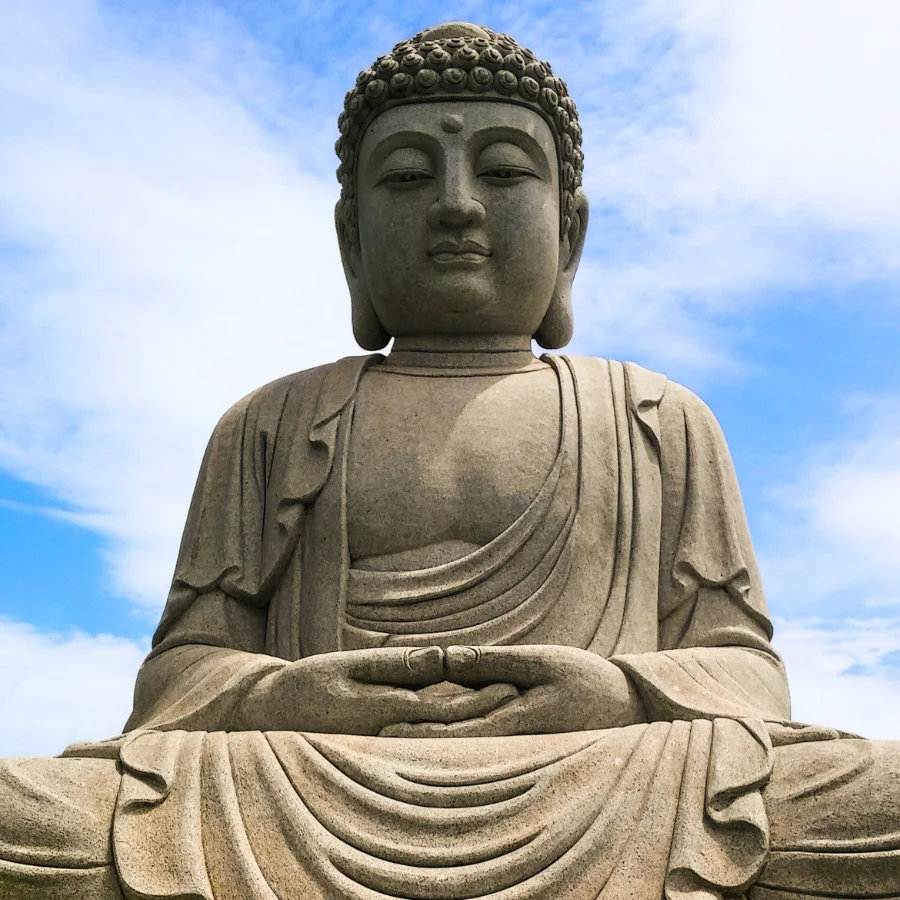
Holistic medicine is an integrative approach to health care that seeks to address a person's health and wellness as a whole person, considering physical, emotional, mental and spiritual aspects. Rather than focusing solely on treating specific symptoms or diseases, holistic medicine seeks to understand the root cause of health problems and promote balance and harmony in all aspects of a person's life. In this article, we will explore the main methods used in holistic medicine, the most successful therapies, the most renowned individuals dedicated to this approach and some important considerations for those who want to begin their health care journey from a holistic perspective.
Main methods for health care according to the holistic approach
- Nutrition and balanced diet: Food plays a fundamental role in holistic medicine, as a balanced and nutritious diet is considered essential to maintain health and prevent disease. The focus is on consuming natural and fresh foods, avoiding processed foods and minimizing the consumption of toxins and inflammatory foods.
- Physical exercise and physical activity: Movement and physical activity are considered important pillars in holistic medicine. The aim is to maintain an active lifestyle, with regular exercise, outdoor activities and a reduced sedentary lifestyle. Exercise is seen as a way to maintain health and improve circulation, flexibility and physical endurance.
- Stress management and relaxation techniques: Holistic medicine recognizes the importance of stress on health and seeks relaxation techniques such as meditation, mindful breathing, yoga, massage therapy and other techniques to reduce stress and promote relaxation of the body and mind.
- Natural therapies and alternative medicine: Holistic medicine includes a wide variety of natural therapies and alternative medicine, such as acupuncture, homeopathy, herbology, naturopathy, aromatherapy and many others. These therapies seek to balance the body and mind, and promote self-healing and disease prevention.
- Emotional and mental balance: Holistic medicine recognizes the importance of emotional and mental health in a person's overall well-being. It focuses on emotional management techniques, talk therapy, mindfulness work and personal development, and other therapies that help balance the emotions and mind.
- Connecting with nature and the environment: Holistic medicine considers connection with nature and the environment to be essential for health and wellness. It seeks to spend time outdoors, connect with nature, practice gardening, and adopt sustainable and environmentally friendly practices.
- Disease prevention and care: Medicine

Most successful therapies or techniques in health care
There are several therapies and techniques that have proven to be successful in health care from a holistic approach. Some of the most prominent include:
- Traditional Chinese medicine: Traditional Chinese medicine, which includes acupuncture, moxibustion, Chinese herbal medicine and tuina massage therapy, has been recognized for its holistic approach and has proven to be effective in the treatment of various ailments and health disorders.
- Ayurvedic Medicine: Ayurveda is a system of traditional medicine originating in India that is based on the harmonization of the doshas, which are the three biological principles in the body. Ayurveda uses a combination of herbal medicines, diet, massage, yoga and other techniques to balance the doshas and promote holistic health.
- Homeopathy: Homeopathy is a form of alternative medicine based on the idea that «like cures like». Diluted natural substances are used to stimulate the body's ability to heal itself and balance overall health.
- Massage therapy: Therapeutic massage can be an effective form of holistic health care, helping to relax muscles, relieve tension, improve circulation and promote mental and emotional relaxation.
- Herbal medicine: Herbal medicine uses medicinal plants and their derivatives for the treatment of various ailments and health disorders. It is based on the idea that plants have healing properties and can be used to improve health naturally.
Most renowned individuals dedicated to health care from a holistic approach.
The holistic approach to health has been promoted and practiced by numerous experts in the field of medicine and wellness. Some of the most renowned individuals dedicated to this approach include:
- Deepak Chopra: He is a physician and author known worldwide for his holistic approach to health. He combines conventional medicine with Ayurvedic medicine and other holistic practices to promote balance between body, mind and spirit.
- Andrew Weil: He is a physician specializing in integrative medicine, who approaches health from a holistic and integrative approach, combining conventional medicine with natural therapies and wellness practices. He is the author of numerous books on holistic medicine and is considered one of the leaders in the field.
- Dr. Joseph Mercola: He is an advocate of natural medicine and nutrition, and has been a leader in the field of holistic medicine. He promotes a holistic approach to health, including nutrition, exercise, stress management and disease prevention.
- Dr. Mark Hyman: He is a physician and author who advocates a holistic approach to wellness. He combines conventional medicine with functional medicine, which seeks to address the underlying causes of disease rather than just treating the symptoms.
- Dr. Alejandro Junger: He is a physician specializing in functional medicine and detoxification. He promotes a holistic approach that includes cleansing and detoxification of the body, as well as emotional and mental balance, to achieve optimal health.
- Dr. Josh Axe: He is an advocate of natural medicine and nutrition, and is known for his holistic approach to health care. He focuses on nutrition, exercise, hormone balance and stress management to promote holistic wellness.
- Dr. Lissa Rankin: She is a medical doctor who combines conventional medicine with holistic approaches. She focuses on the mind-body connection and promotes the importance of emotional balance, disease prevention and holistic health care.

Benefits of a holistic approach to health care
The holistic approach to health care offers a number of benefits for those who practice it. Some of the main benefits include:
- Holistic approach: The holistic approach considers the person as a whole, addressing not only the physical symptoms of an ailment, but also the emotional, mental and spiritual aspects. This allows for a more complete and profound approach to health and wellness.
- Disease prevention: The holistic approach focuses on maintaining a healthy balance in the body, mind and spirit, which can help prevent disease before it develops. By maintaining proper nutrition, exercising regularly, managing stress and taking care of emotional and mental health, the immune system can be strengthened and chronic diseases can be prevented.
- Personalization of treatment: The holistic approach recognizes that each person is unique and has individual needs. Therefore, treatments are personalized and tailored to the needs and characteristics of each individual, which can result in a more effective and satisfying approach to health care.
- Improvement of overall wellness: The holistic approach focuses not only on treating specific diseases or ailments, but also on improving a person's overall wellness. This includes emotional balance, sleep quality, vitality and overall quality of life.
- Reduced side effects: Many holistic therapies and techniques use natural and non-invasive approaches, which can reduce side effects and minimize the risks associated with certain conventional treatments.
- Complement to conventional medicine: The holistic approach can be used as a complement to conventional medicine, providing a broader and more comprehensive view of health care. Many people find benefit in combining holistic approaches with conventional medical treatments for optimal results.
- Preventive approach: The holistic approach focuses on disease prevention and overall health promotion, which can help reduce the need for invasive and costly long-term medical treatments.
- Patient empowerment: The holistic approach emphasizes the patient's active role in their own healthcare. This can help people make informed decisions and actively participate in their healing process, which can have a positive impact on their overall well-being.
In summary, the holistic approach to healthcare offers a comprehensive view of health and wellness, addressing the physical, emotional, mental and spiritual aspects of the individual. It offers a number of benefits, such as a holistic approach, disease prevention, personalization of treatment, improvement of overall wellness, reduction of side effects, complement to conventional medicine, preventive approach and patient empowerment. It is important to consult with a trained healthcare professional before beginning any holistic approach and always combine it with conventional medical care when necessary.