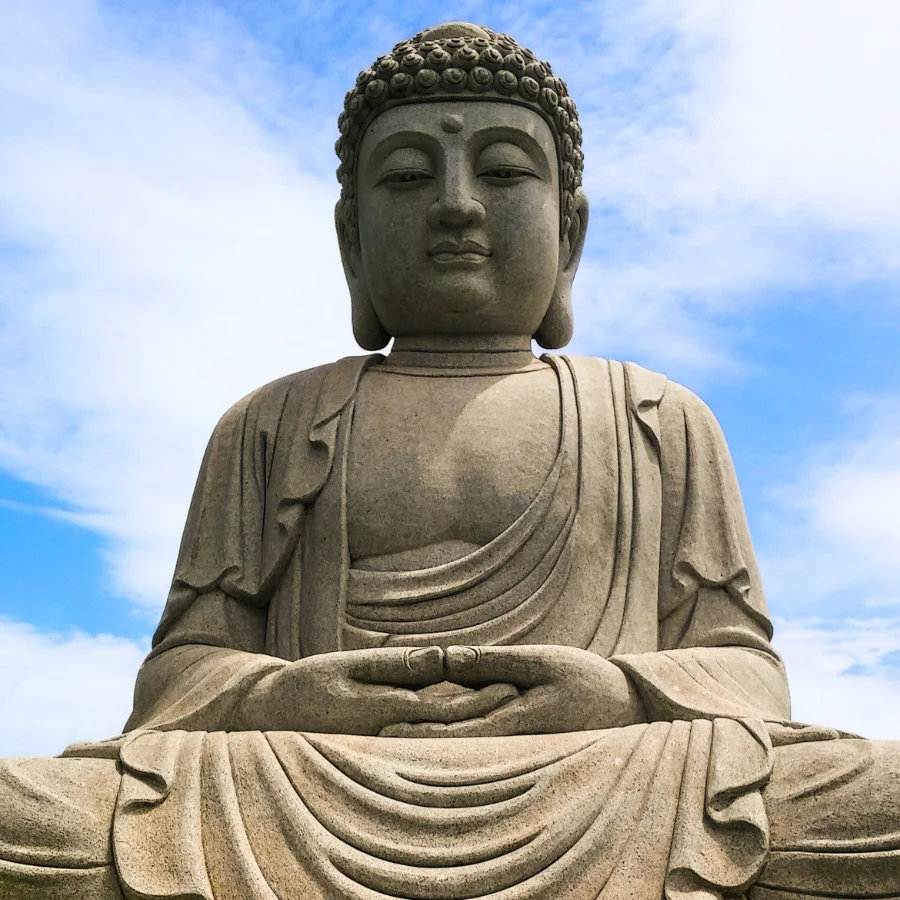
Zen Buddhism is a branch of this millenary philosophy that developed in China in the 7th century and later spread to other Asian countries such as Japan. It is distinguished by its focus on meditation as the path to enlightenment.
The goal of Zen is to free the individual from suffering and false illusions that keep him from his true nature. To achieve this, it uses meditation techniques that allow the mind to calm down and awaken to a higher state of consciousness.
Fundamental principles of Zen
Some of the key principles that guide this practice are:
Buddha nature: the belief that all beings have the capacity to attain enlightenment and Buddhahood.
Emptiness: the realization that nothing has an inherent or permanent existence.
Mindfulness: living with full awareness of the present moment.
Simplicity: to lead a simple life that facilitates mental serenity.
Effortless action: acting spontaneously and naturally, without attachments.
The things I carry are my thoughts. They are my only weight. My thoughts determine whether I am free and light or heavy and burdened. Kamal Ravikant
Zen Practices
We will try to summarize the main practices of Zen Buddhism:
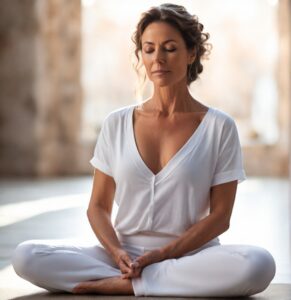
Zazen: sitting meditation, observing the breath and calming the mind.
Koan: paradoxical exercises that seek to transcend logic to expand consciousness.
Manual work: daily tasks such as sweeping or cooking done with full attention.
Tea ceremony: a ritual to savor the present moment.
Martial arts: activities such as taichi or kyudo performed with moving meditation.
Simplicity and constant practice are key in the Zen quest for peace of mind and spiritual transcendence.
Millenarian or Scientific Origin? The concept of Family Constellations has its origins in the traditions and philosophies that Bert Hellinger studied and from which the
This innovative format is based on the principle of binaural listening, i.e. our natural ability to locate sounds in space thanks to the fact that we have two ears. Binaural music takes advantage of...
Yoga and mindfulness meditation are two practices that complement each other perfectly. Together they create a path to greater physical, mental and spiritual well-being.






One Response
hello world!