The Dhammapada is a collection of 423 verses or stanzas believed to have been spoken by Gautama Buddha himself. It is considered one of the most influential and ancient Buddhist texts, dating back to approximately the 3rd century BC.
The title Dhammapada translates as «path of doctrine» or «Dharma verses». Dharma refers to the Buddha's teachings on how to free ourselves from suffering through understanding the true nature of reality.
The text is divided into 26 chapters that address topics such as wisdom, ethics, meditation, truth, anger, happiness, among others. The verses present a practical path to enlightenment through cultivation of the mind and detachment.
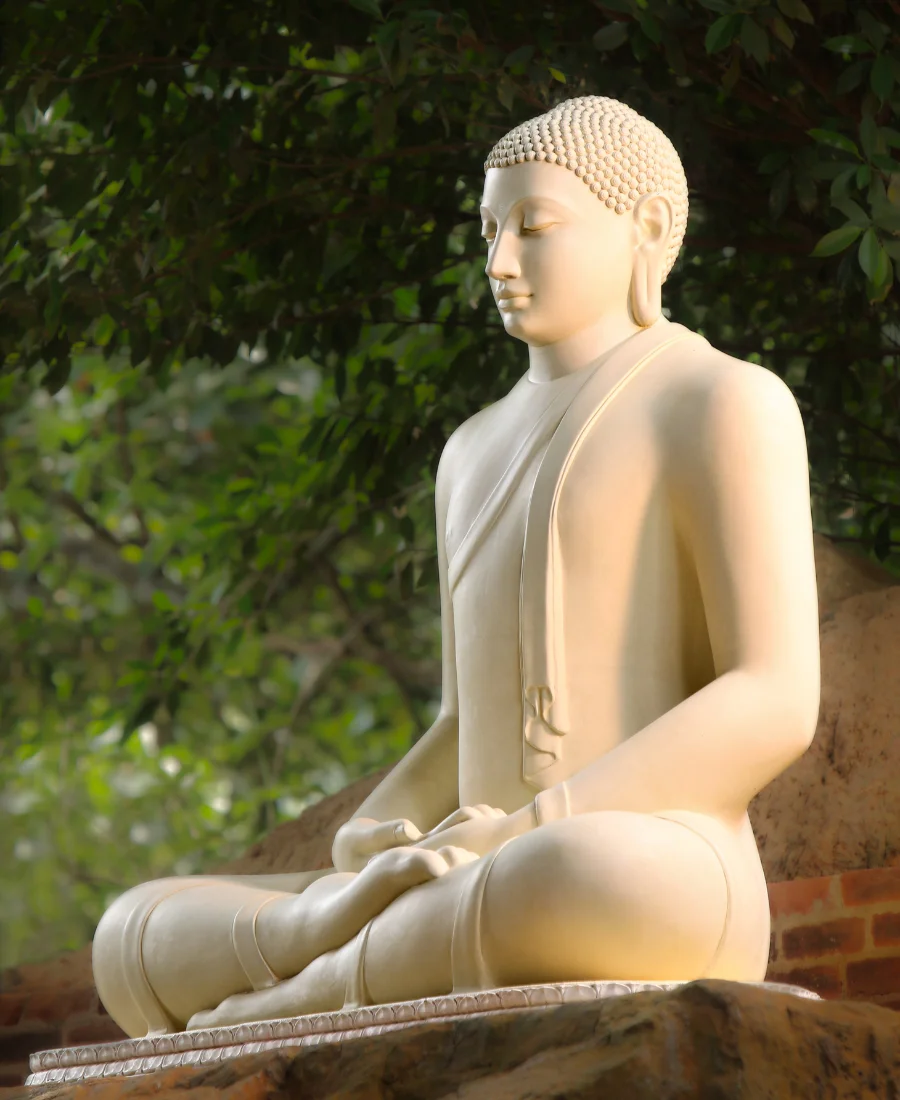
Some of the key ideas he conveys are: the importance of taming one's own mind, living ethically and compassionately, the impermanence of all things, the middle path without extremism, the karmic consequences of our actions and the ideal of attaining awakening or nirvana.
The Dhammapada exposes in a simple, clear and poetic way the bases of Buddhist philosophy. Its reading is accessible to anyone interested in knowing the original teachings of Buddha. That is why it has become one of the most popular Buddhist scriptures in the world.