What is Binaural music?
Binaural music is a novel sound reproduction technique that is gaining popularity for its ability to generate an immersive listening experience. But what exactly does it consist of?
This innovative format is based on the principle of binaural listening, i.e. our natural ability to localize sounds in space because we have two ears. Binaural music takes advantage of this characteristic by delivering a slightly different audio signal to each ear.
When combined in our brain, the two tracks create an auditory illusion that transports us to a three-dimensional sound world, as if we were surrounded by the sound itself. Sound fascinating? We take a closer look at this amazing format below.
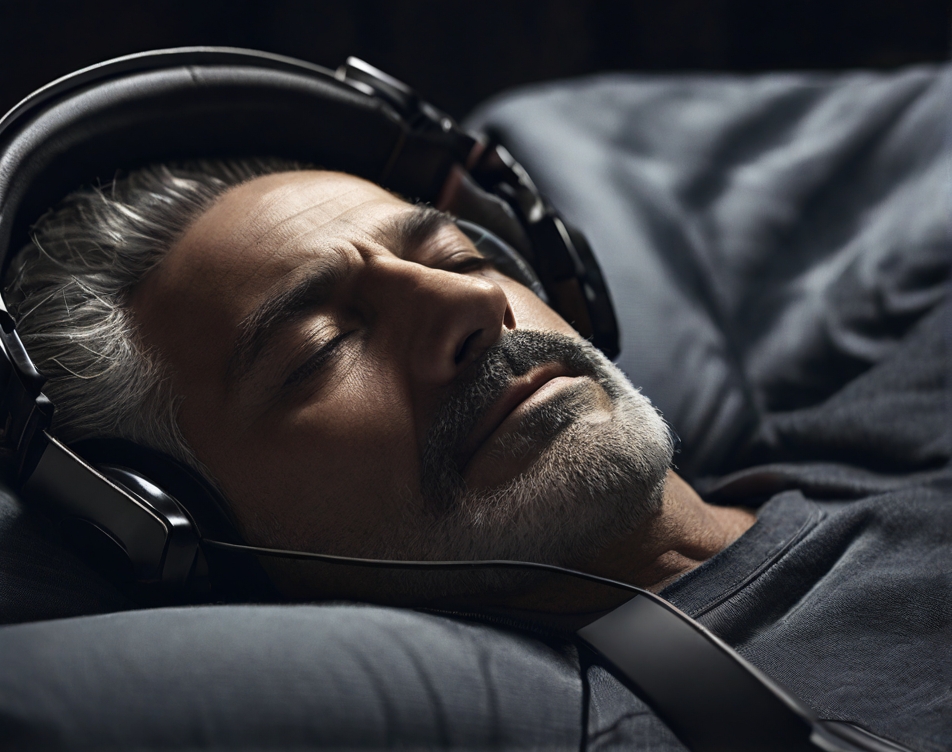
Benefits of Binaural Music
There are multiple benefits of binaural music according to several studies. Some of the main ones are:
- Relaxation and stress reduction: the frequencies used induce relaxed brain waves.
- Improved concentration: binaural stimulation increases mental focus.
- Restorative sleep: helps to fall asleep and improves sleep quality.
- Pain relief: decreases pain perception according to research.
- Creativity: by means of isochronic rhythms, the creative side is stimulated.
References in Binaural Music
Although it is a relatively new format, there are already pioneering musicians who have conquered with their binaural productions. Some of the most recognized are:
- Steven Halpern: Considered one of the pioneers of binaural music, this American artist began to explore its therapeutic potential in the 1970s. He was the first to apply it against insomnia and for use in meditation. He was ahead of his time.
Steven is a pioneer of new age music and a defender of the original proposal of this term before the new generation of artists (80s, 90s) devoted to musical fusions and more commercial styles and compatible with the record companies of the time.
Steven Halpern's music has the characteristic of creating meditative melodic spaces through loose harmonies free of conventional musical structures.
Find out more about Steven on his own website:
stevenhalpernmusic.com
AcousticSheep: Founded in 2007 by Dr. Wei-Shin Lai, a family physician, and her husband Jason Wolfe, a video game developer. This company specializes in headphones and sleep masks with integrated binaural sounds. They offer carefully designed tracks with isochronic tones and natures for relaxation and deep sleep. They are one of the references in binaural music for rest.
Find their beautiful products at:
acousticsheep.com
Harris Heller: This Canadian composer is famous for his epic game and movie soundtracks in binaural 3D format. His tracks transport the listener to mesmerizing soundscapes for a truly immersive experience. A visionary of modern binaural music.
Play his music here
Hemi-Sync: Developed in the 1970s by the Monroe Institute, Hemi-Sync is a system that uses binaural tones to alter brain patterns. Thanks to the research of Robert A. Monroe who uses these audio sound patterns to achieve dramatic effects on states of consciousness. It is used for deep relaxation, lucid dreaming, meditation, pain management and overcoming addictions.
Discover all Hemi-Sync products on its official website:
hemi-sync.com
Ivan Donalson: Independent artist who became famous on YouTube with his "medicine music", based on binaural isochronic sounds. He claims that his rhythms harmonize brain waves with therapeutic benefits. An exponent of the new binaural generation.
Listen to his music on his Youtube channel:
youtube.com/@IvanDonalson
How is the Binaural Effect Achieved?
The ability of binaural music to generate an impressive 3D sound sensation has aroused the curiosity of many. How is it possible to create this realistic auditory effect? Let's take a step-by-step look at the process:
Recording with Binaural Microphones
It all starts with special microphones that pick up sound exactly as it is perceived by our auditory system. They consist of two capsules, one for each ear, separated by a distance similar to that of our ears.
Thus they register the subtle differences in time and volume with which each ear receives sounds in reality, depending on their spatial location. This realism is the key to the effect.
Separate Audio Tracks for Each Ear
Once the sounds are recorded, two separate audio tracks are created, one to send to each ear. These are commonly referred to as left and right.
This preserves the small differences captured by the binaural microphones and maintains the spatial information of the original recording.
Key Differences Between Audio Tracks
Although subtle, there are deliberate variations between the two audio signals:
- Small time lags between channels.
- Variations in volume and pitch between left and right.
- Effects applied to a single track.
These differences are essential to trick the brain and create the illusion of depth when merging the tracks.
Headphone Playback
By sending each recorded signal to one of our ears via headphones, the binaural illusion is completed. The brain synthesizes the variations between the tracks and interprets them as coming from different locations in space, creating an immersive sound scene.
And the magical 3D effect comes to life! Understanding the secrets behind it allows us to appreciate this innovative aural technique even more.
Beyond its ability to generate amazing soundscapes, binaural music is also demonstrating enormous therapeutic benefits. Let's take a look at some of its most outstanding medical and psychological applications:
An Auditory Revolution
More than a passing fad, binaural music represents a revolution in the way we compose and listen. Through careful auditory tricks, it introduces us to a completely new and immersive sound reality.
In addition to providing an exciting 3D experience, this technique offers proven benefits for relaxation, concentration, sleep and pain relief. A whole world of possibilities opens up thanks to binaural listening.
Are you ready to explore it? Put on your headphones and get ready for the ride of your life... straight into the amazing three-dimensional world of binaural music.